

 United States
 Macau, China
 France
 Philippines
 Singapore
 Netherlands
 United Kingdom
 Canada
 Argentina
 Germany
 Estonia
 Peru
Peru Russia
 Australia
 South Africa
 Nigeria
 Malaysia
 Singapore
 India
India Finland
 China
China Ukraine
 Hong Kong
 Cyprus
 Turkey
 Greece
 Ireland lottery results
 New Zealand lottery results
 Puerto Rico lottery results






















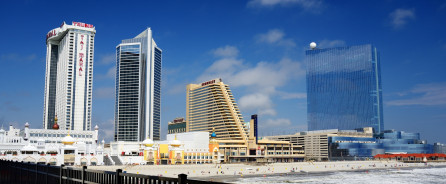

History of Gambling in New Jersey
Gambling in New Jersey – The Early Days
The state of New Jersey has had a colorful past in the context of gambling. There are many important dates for gambling and gaming enthusiasts to remember in New Jersey. In the year 1969, the state approved the first state lottery. The proceeds of the lottery were used to fund education in the state; several schools were built using the money that was raised.
The First Casinos in New Jersey
Then, in 1976, New Jersey became the second state in the US to legalize gambling. The state allowed gambling casinos to operate in order to raise money for the disabled and the elderly. 1978 was a landmark year for the state of New Jersey. That was the year when the first casino opened in New Jersey at Atlantic City. The distinction of being the first casino in New Jersey goes to the Resorts International Casino. The casino is still open today. Over the next few years, over 16 new casinos opened in the state, but most of them were primarily concentrated in Atlantic City.
The way the casinos first came into existence in New Jersey makes for interesting reading. Sometime in the late 1960s, resorts in New Jersey were facing a peculiar problem: many of them were unable to attract visitors. A number of them shut down, and some others were converted to housing projects. There were a few that survived the problem, such as the Ambassador, the Madison, and the Dennis. Once gambling was legalized in the state, some of these re-invented themselves as casinos.
For instance, the first casino in the state, Resorts International, was originally the Chalfonte-Haddon Hotel. This hotel was converted and Resorts International came into existence. Another such instance of a casino being built from a hotel/resort is the Tropicana Hotel and Casino, which was built on the steel framework of the Ambassador.
Casinos in New Jersey – The Glory Days
The state of New Jersey has mostly played second fiddle to the state of Nevada, as Nevada had legalized gambling earlier than New Jersey. However, there was a period, during the 1970s and 1980s, when it was definitely ahead of Nevada. This was because of a high crime rate in Nevada and also the alleged involvement of organized crime in the gaming world.
The fact that Mike Tyson fought most of his fights in the state helped increase the popularity of the state as a tourist destination further, something which was a major factor in the popularity of the casinos.
However, despite all such efforts, the state of New Jersey has had a tough time positioning itself as a casino destination. The going has got tougher now that a number of other states in the country, including many on the East Coast, have also legalized gambling. The state has not given up the fight yet, however. Plans are underfoot to build a number of new casinos.
Gambling in New Jersey – The Future
The future of gambling in New Jersey is, by no means, bleak. There are plans to build a number of casinos here to provide increased incentive for tourists to come here. For instance, the MGM Mirage Board has approved plans to build the MGM Grand Atlantic City on 60 acres of land next to the Borgata casino.
The project, called the City Center East, will have 3,000 rooms and 500,000 sq ft in casino space. This would make it the largest casino pace in the state – 5000 slot machines, over 200 table games and a poker room that is on par with the rest of the specifications.
Gambling Controversies in New Jersey
There have been some gambling-related controversies in the state of New Jersey as well. In late 2007, the gambling commission of New Jersey State was in the news for refusing to renew the Tropicana Resort Casino’s license, only the second time such an incident had occurred.
Earlier in 2007, there was yet another controversial ruling and a statute that limits smoking to 25% of the total casino space in any casino. Several casino insiders, including Trump Entertainment’s Donald Trump, have criticized the ruling, stating that this gives the casinos in neighboring states an unfair advantage over New Jersey.
There is also a catch to the legalization of gambling in the state of New Jersey – it applies only to traditional land-based casinos. It does not apply to the newer form of gambling that has materialized with the arrival of the Internet – online gambling. Online gambling is still non-regulated and illegal in the state. In fact, gambling online is illegal not just in New Jersey, but also in almost all the states in the US.


